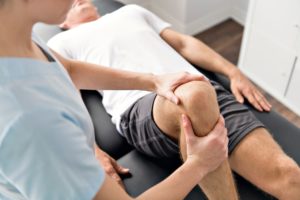
In a car accident, your entire body is moved forcefully, often coming into contact with the hard or protective surfaces in your vehicle. For someone in the front seat, this can mean hitting your head or knee against the dashboard. This is common enough that “dashboard knee” is a term for certain injuries that many car accident chiropractors use. Because this kind of injury can be extremely painful and lead to knee problems if untreated, it’s important to understand the impact and treatment of dashboard knee.
Types of Knee Injuries from Dashboards
When a knee collides with a dashboard during a car accident, it can sustain significant injuries. These dashboard knee injuries generally fall into two main categories: fractures and ligament tears.
Patella Fracture
One of the less common but severe injuries is a fracture of the patella, or kneecap. This type of dashboard injury occurs when the kneecap is subjected to a high-impact force, causing it to either split into two pieces or shatter into multiple fragments. The severity of this type of fracture can vary, but in all cases, it leads to considerable pain and mobility issues.
Common symptoms include:
- Immediate, sharp pain: The pain is usually intense and localized at the front of the knee.
- Swelling and bruising: The area around the kneecap may swell and bruise rapidly.
- Difficulty in walking and bearing weight: People with a patella fracture often find it challenging or impossible to walk or bear weight on the affected leg.
In severe cases, surgery might be required to realign and stabilize the broken fragments, followed by a period of immobilization and rehabilitation to restore healthy functioning to the knee.
Posterior Cruciate Ligament (PCL) Tear
A more common dashboard injury of the knee is a tear of the posterior cruciate ligament (PCL). The PCL is one of the main ligaments in the knee, located at the back of the joint. It connects the thighbone (femur) to the shinbone (tibia) and helps stabilize the knee by preventing the shinbone from moving too far backward.
When the knee hits the dashboard, the force can push the shinbone backward with enough intensity to stretch and potentially tear the PCL. This type of dashboard knee injury is not only common in car accidents but can also occur in sports injuries and slip-and-fall injuries. Diagnosing a PCL injury can be challenging, as the symptoms might not be immediately apparent or severe.
However, common signs of a PCL tear include:
- Pain and swelling: These symptoms typically develop within a few hours of the injury.
- Instability: The knee may feel unstable, particularly when you try to bear weight or change direction.
- Difficulty walking: Similar to patella fractures, walking can become difficult or impossible.
Diagnosing Dashboard Knee Injuries
Both fractures and PCL tears can be found on imaging. An X-ray would show a fracture but not ligament damage, so if bone problems are ruled out, you may be sent for an MRI. A swollen knee can be difficult for doctors to examine, so they may rely on certain tests in addition to imaging. One such test is the “posterior drawer test,” where the doctor pushes your shin back with the knee bent at 90 degrees. If the tibia gives more than 5 millimeters, a PCL tear is likely. Imaging can further help doctors to understand the extent of your tear.
Treating Dashboard Knee Injuries
The treatment for dashboard knee injuries varies depending on the type and severity of the injury. Here is a detailed look at the treatment options for both patella fractures and PCL tears.
Patella Fracture Treatment
For a fractured patella, initial treatment usually involves immobilizing the knee to allow the bone to heal properly. This can be done using a splint or cast to keep the knee in place. However, the effectiveness of this conservative treatment depends on the alignment of the fractured bone pieces.
- Splint or Cast: This is the first line of treatment for most patella fractures. The immobilization helps to keep the fractured parts in proper alignment and allows the bone to heal over time. The time needed for immobilization depends on the severity of the fracture and your healing response.
- Surgery: If the fractured pieces of the patella are not properly aligned or if the fracture is severe, surgical intervention may be required. Surgery for a dashboard knee fracture typically involves repositioning and securing the bone fragments using screws, wires, or plates. This not only helps in proper healing but also restores the knee’s function more effectively. Post-surgery or after immobilization, physical therapy is often necessary to regain strength, flexibility, and full function of the knee.
Understanding the Severity of a Patella Fracture
A patella fracture is one of the most painful outcomes of a dashboard injury, and it’s also one of the easiest to underestimate. Because the kneecap plays a key role in leg extension and mobility, any fracture to this bone can make walking, climbing stairs, or even standing a challenge. A fractured patella can result from the knee slamming into the dashboard or steering column during a collision, creating enough force to crack or completely break the bone.
How to tell if you broke your knee isn’t always as obvious as you might think. While some patients experience immediate swelling, bruising, and severe pain, others may still be able to walk with a partial break. A grinding or popping sensation in the knee, visible deformity, or inability to straighten the leg are strong signs of a patellar fracture that requires urgent attention. Even small bone fragments left untreated can interfere with normal joint function, so early evaluation is critical.
Imaging tests such as X-rays or CT scans confirm the location and severity of the injury. These diagnostic tools help doctors determine whether the fracture is nondisplaced (the bone remains aligned) or displaced (the pieces have shifted apart). Nondisplaced fractures often heal with immobilization in a brace or cast, while displaced fractures require surgical repair to restore alignment and stability.
Surgical Repair and Recovery for a Fractured Patella
In severe dashboard injury cases, a doctor may recommend a repair procedure for a displaced midpole patella fracture. This surgical treatment involves repositioning the broken pieces of the kneecap and holding them together using metal screws, wires, or tension bands. The goal is to restore the smooth surface of the knee joint so the bone can heal correctly and the patient can regain a full range of motion.
After surgery, patients typically wear a hinged knee brace that limits bending while allowing gradual mobility. Physical therapy becomes a vital part of the healing process, helping to rebuild strength in the quadriceps and improve flexibility. Most people begin light exercises a few weeks after surgery, though full recovery may take several months, depending on the extent of the injury.
When a dashboard impact leads to an avulsion fracture of my patella, the treatment plan may differ slightly. An avulsion fracture occurs when a small piece of bone is pulled away by a tendon or ligament during impact. While these injuries may sound minor, they can be extremely painful and still require immobilization or surgical reattachment. Because the kneecap acts as a fulcrum for the quadriceps tendon, even small avulsion fractures can disrupt normal knee mechanics if not repaired.
Rehabilitation and Long-Term Care After a Patellar Fracture
Recovering from a patella fracture doesn’t end when the cast comes off or the surgical stitches heal. Rehabilitative exercises and careful monitoring are essential for preventing stiffness and ensuring the knee regains proper strength. Physical therapists often focus on gradual movement restoration, quadriceps activation, and balance retraining to prevent future instability.
In the early stages of recovery, you’ll likely perform isometric exercises that contract the thigh muscles without bending the knee. As healing progresses, you’ll move into controlled bending, weight-bearing activities, and eventually more dynamic exercises like walking or light resistance work. Consistency and patience are key—rushing recovery can lead to reinjury or chronic pain.
If left untreated, even a small patellar fracture can lead to long-term complications like arthritis, weakness, or chronic instability. That’s why ongoing care from orthopedic specialists and rehabilitation experts—like those at AICA College Park—can make all the difference in your outcome.
PCL Tear Treatment
If you suffer from knee pain and injured knees on the dashboard in an accident, you may be looking at treatment for a PCL tear. The treatment approach for a posterior cruciate ligament tear is primarily determined by the severity of the tear, which can be classified into three stages:
- Stage 1: A partial tear of the PCL.
- Stage 2: A complete tear of the PCL without other associated knee injuries.
- Stage 3: A complete tear of the PCL along with injuries to other structures in the knee.
Stage 1 PCL Tear
For Stage 1 injuries, non-surgical treatments are often effective. These include:
- Rest: Avoiding activities that put stress on the knee to prevent further injury.
- Physical Therapy: A regimen designed to strengthen the muscles around the knee and improve healthy functioning. Physical therapy exercises focus on stabilizing the knee and improving flexibility.
Stage 2 PCL Tear
Stage 2 injuries can sometimes be managed conservatively, like Stage 1 tears:
- Rest and Physical Therapy: As with partial tears, a combination of rest and targeted physical therapy can help in the recovery of a complete PCL tear. The goal is to strengthen the surrounding muscles to compensate for the ligament’s instability.
- Additionally, some Stage 2 injuries may require surgical intervention if conservative methods do not provide satisfactory results or if you typically engage in a high level of physical activity that demands a stable knee.
Stage 3 PCL Tear
Stage 3 injuries are more complex and almost always need surgery due to the involvement of multiple knee structures:
- Surgery: Surgical options include reconstructing the PCL using grafts from other tendons or artificial materials. This procedure aims to restore stability and function to the knee.
- Post-Surgery Rehabilitation: After surgery, an extensive rehabilitation program is crucial. This includes physical therapy to restore movement, strengthen the knee, and prevent future injuries.
Choosing the Right Treatment
The choice of treatment for PCL tears depends on several factors, including the stage of the injury, your overall health, activity level, and personal preferences. Early diagnosis and personalized treatment plans are essential for optimal recovery and return to normal activities. Treating dashboard knee injuries requires a comprehensive approach tailored to the specific type and severity of the injury. Whether it’s immobilization, physical therapy, or surgery, the goal is to restore healthy knee function and ensure a full recovery.
Preventing Injury
One of the most important things you can do to prevent any injury during a car accident is to properly use your seatbelt. In most cases, these will restrain you enough that your knee cannot reach the dashboard, avoiding fractures and PCL tears. But it is still possible to slip beneath the seatbelt and have this happen. A history of knee injuries can put you at higher risk as well.
What to Do if You Experience a Knees on Dashboard Accident
Knee injuries from hitting the dashboard during an accident can be severe and require prompt attention to prevent further complications. Regardless of how minor the injury might seem, it is essential to seek medical attention as soon as possible. If the accident is severe or you’re unable to move, call emergency services or ask someone else to do so. If you can move but experience significant pain or swelling, go to the nearest emergency room or urgent care center for an evaluation. Even if initial symptoms seem mild, follow up with an orthopedic specialist to rule out serious injuries like fractures or ligament tears.
Trust AICA College Park for Dashboard Knee Injuries and More
If you do suffer from a knee injury during a car accident, seeking treatment quickly will be critical to ensure you are able to use the knee fully in the future. At AICA College Park, our doctors will be able to diagnose your injury and create a customized treatment plan designed around your goals. With access to diagnostic imaging, physical therapy, chiropractic care, and even surgery onsite, AICA College Park offers comprehensive solutions to the injuries you sustain during car accidents.