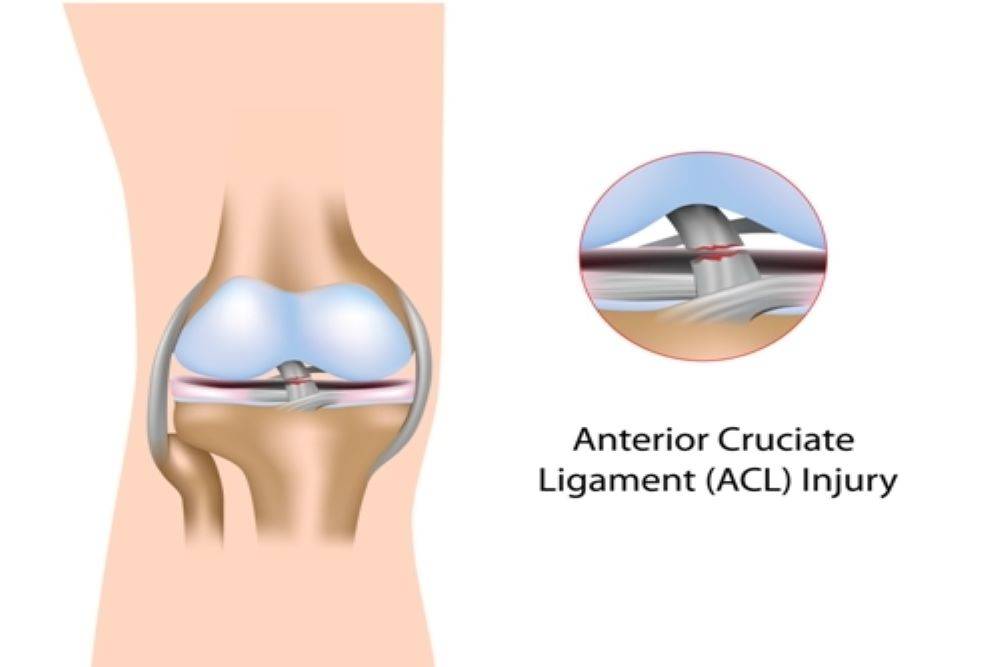
You’ve likely heard about ACL injuries if you watch sports like football, soccer, and basketball. ACL tears are common knee injuries that affect athletes who perform sudden stops or changes in direction while running, jumping, and landing. The ACL, which stands for anterior cruciate ligament, is one of the strongest bands of tissue in the body and connects your thigh bone to your shinbone.
If you aren’t a professional athlete, you might be surprised to learn you have a torn ACL. That is because, while common in certain sports, a torn ACL can happen to anyone. This type of knee injury can also occur in children, teens, and adults. If you stop suddenly or change directions while running, you could end up with a torn ACL. An ACL injury can cause serious pain and keep you from participating in regular activities. Here’s what you need to know about the structure of your knee and how you can tell if you have an ACL injury.
Anatomy of the Knee
The knee is a hinge joint, which means it can bend and straighten like a door. It helps us walk and run by connecting the thigh bone to the shin bone. Inside the knee, cartilage and menisci act like cushions to absorb shock when we move. Surrounding the knee are muscles and ligaments that keep it stable and help it move properly. There are two major ligaments that support the knee: the posterior cruciate ligament (PCL) and the anterior cruciate ligament (ACL).
The PCL helps keep the knee steady and allows a little side-to-side movement. It stops the shin bone from sliding too far backward, while the ACL runs from the thigh bone to the shin bone. The ACL keeps the knee stable, especially during sudden stops or jumps. Together with the PCL, the ACL prevents the knee from moving too much. On the sides of the knee are the collateral ligaments that provide extra support and stop the knee from bending sideways. Finally, the muscles around the knee help it bend, straighten, and stay balanced. They work together with the ligaments to keep the knee healthy and strong.
Types of ACL Injuries
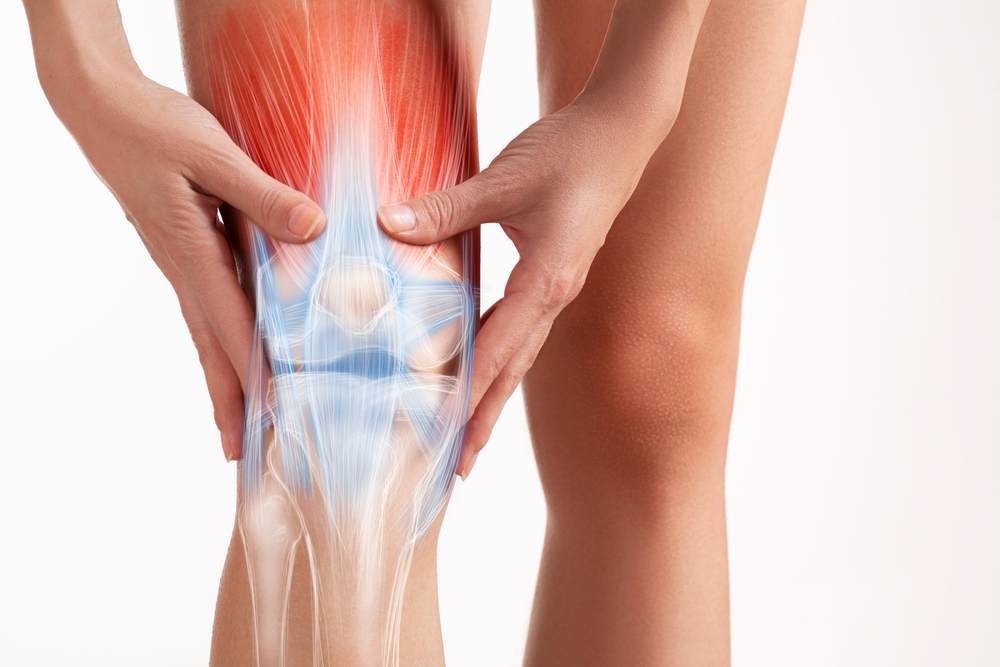
If you’re wondering how to know if you tore your ACL, pay attention to symptoms like severe knee pain, swelling, and instability when walking. Ligaments are thick bands of tissue with strong fibers that help provide mobility and stability to the body. An ACL injury can occur while playing sports or doing everyday activities like walking down the stairs. The most common type of ACL injury is a sprain, where ligaments stretch too far outside their normal range of motion and tear. These are the three grades of an ACL sprain, along with other types of ACL injuries.
Grade I ACL Sprain
A Grade I ACL sprain is the mildest form of an ACL injury. This type of injury involves overstretching the anterior cruciate ligament, but a tear does not occur. People with a Grade I ACL sprain will experience symptoms, though in most cases, they can be managed and monitored with non-surgical treatment options.
Grade II ACL Sprain
An injury to the ACL where the tissue fibers partially tear is known as a Grade II ACL sprain. A Grade II sprain will cause more severe symptoms and instability in the knee joint. When the ACL stretches and tears, it can become loose and impact your ability to move the knee normally. This type of injury is less common than a Grade I or Grade III ACL injury.
Grade III ACL Sprain
A complete ligament tear of the ACL is known as a Grade III ACL sprain. If this happens, the ligament splits into two pieces, leaving the knee joint incredibly unstable. A Grade III ACP sprain is the most common type of ACL injury among athletes and is also called an ACL rupture. Symptoms of a Grade III sprain typically cause immediate and severe pain. This type of injury typically requires surgical intervention to repair the torn ligament.
ACL Avulsion Fracture
An ACL avulsion fracture is a type of injury in which part of the bone breaks with the torn ligament. This is more likely to affect the tibia, or lower leg bone, when the ACL tears by breaking part of the bone where it attaches to the knee joint. This injury is common through blunt force trauma to the knee or excessive overuse while playing sports or skiing.
Multi-Ligament Knee Injuries
In some cases, a sudden blow to the knee can injure multiple ligaments in the knee joint, including the ACL. A torn ACL may occur in conjunction with other damage, like a meniscus tear. Multi-ligament knee injuries can also with a dislocated knee or bone fracture. In these cases, surgery may be recommended to repair multiple damaged ligaments and other structures in the knee joint.
What a Torn ACL Feels Like
If you tear your ACL, you may hear a popping sound when the tear occurs, and pain and other symptoms may occur right away. A torn ACL will typically cause severe pain, limit certain movements, and you may feel like your knee is unstable or will give out from beneath you. Your symptoms may vary depending on whether you have a partial or complete ACL tear. Learning how to know if you tore your ACL can help you seek prompt treatment and avoid further damage to your knee.
Partial Tear
A partial tear, classified as a Grade I or Grade II ACL sprain, can cause pain, tenderness, and swelling in the area. Can you tear your ACL without knowing? Yes, sometimes a partial tear might not cause obvious symptoms until you try certain movements. You may notice pain immediately after the tear occurs, while it can take a few hours for the swelling and inflammation to build up in the knee. A partial tear can lead to limited mobility, and you may find it uncomfortable to put too much weight on the affected knee. You might notice that the knee feels unstable and may give out when trying to stand or walk for long periods.
Complete Tear
A complete tear, also known as a Grade III ACL sprain or ACL rupture, will cause severe pain, swelling, and tenderness that develops immediately. You may be unable to bear any weight on the affected leg with a ruptured ACL. After an initial sharp pain, the pain might worsen into a deep and aching pain, especially while trying to perform movements like standing or walking. You may have difficulty straightening the affected knee and notice some bruising around the knee.
Risk Factors for ACL Tears
While an ACL tear can happen to anyone, certain factors can put you at higher risk for an ACL injury. Women are three times more likely to suffer an ACL injury than men due to multiple factors, including differences in muscle conditioning, strength, and hormones. Playing certain sports puts you at greater risk for an ACL tear, including football, soccer, basketball, skiing, lacrosse, and tennis. These sports typically require movements like sudden twists and turns, jumping, pivoting, and landing on one leg. If you have previously suffered a partial or complete ACL tear, then you are more likely to experience a re-tearing of the ACL. People who engage in a more active lifestyle, especially children, teens, and young adults, are more likely to suffer a torn ACL because of their higher participation in sports and activities. A torn ACL can also put you at greater risk for complications like developing osteoarthritis in the knee.
When to See a Doctor for an ACL Tear
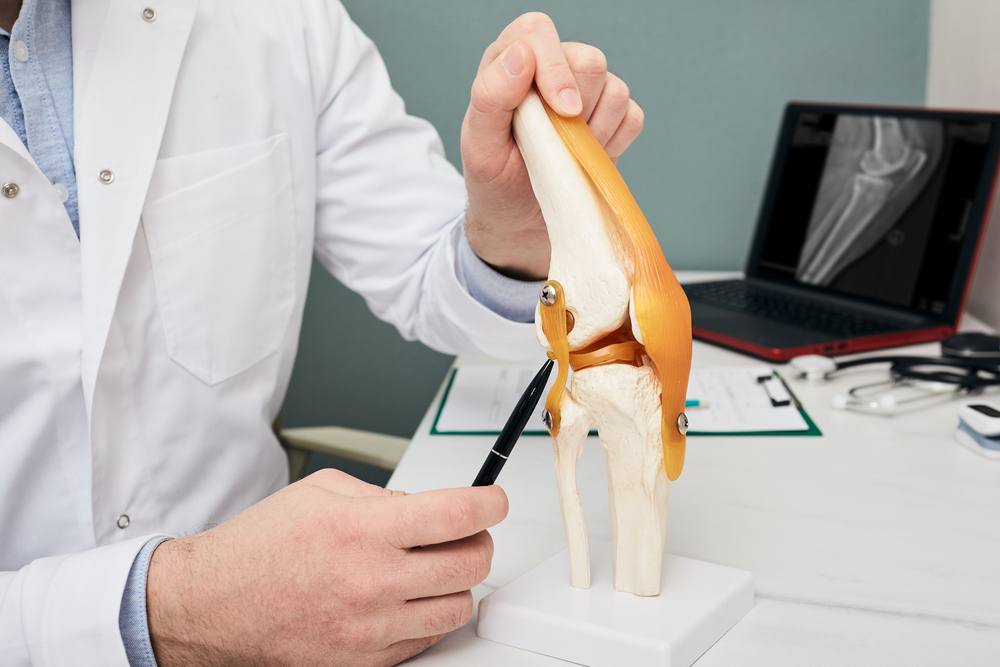
If you’re asking, “How do you know if your ACL is torn?” the best way to confirm is through a professional evaluation and MRI. Whether you suspect a Grade I or Grade III ACL sprain, you want to see a doctor as soon as possible. Your doctor should check out any A
CL tear or knee injury symptoms. Because the knee joint is such a complex structure and you rely on it for everyday movements and activities, you want to receive a prompt and accurate diagnosis to get proper treatment. Your College Park doctor will guide you on how to know if you tore your ACL through physical exams and imaging tests like MRI scans. An orthopedic surgeon or knee specialist will typically examine your knee and review your medical history. They will want to know how you injured yourself and what symptoms you noticed immediately. They may test your knee stability and range of movement during the physical exam. Your orthopedic doctor will likely also request diagnostic imaging tests like an X-ray or MRI to determine if you suffered any broken bones or to get a more detailed look a
t the ligaments and other structures in the knee.
Treatment Options for a Torn ACL
Treatment for an ACL injury will depend on the type and severity. For a minor ACL sprain, non-invasive treatment options can help reduce your pain and discomfort while healing. Athletes may prefer surgery and physical therapy to return to their sport as soon as possible. Home remedie
s for a mild ACL sprain include the RICE model: rest, ice, compression, and elevation. Resting the knee is necessary to support the healing process and will take pressure and weight off the knee joint. Icing the knee will help reduce pain, swelling, and inflammation in the area. Wrapping the knee or using a compression bandage will also help reduce inflammation and provide extra support to the knee. Elevating your knee while you sit or lie down will help reduce blood flow to the area. Your College Park doct
or may also recommend working with a physical therapist to restore the full range of motion to your knee and strengthen muscles.
Non-Invasive vs. Surgical Treatment
When non-invasive treatment options are insufficient, you may need surgery to repair a torn ACL. Surgery for a torn ACL is typically recommended for athletes or when damage occurs to other structures in the knee along with a torn ACL. Surgery for a torn ACL is known as ACL reconstruction, where the surgeon will remove the damaged part of the ligament. The surgeon will replace the ligament with part of a tendon from another part of the knee or from a donor. ACL reconstruction should restore stability and function to the knee in conjunction with post-operative care.
After surgery, you will undergo extensive physical therapy to help you return to regular activities or professional sports. It can take up to a year to fully recover from a torn ACL and surgery, so you want to work with your College Park physical therapist to restore stability and strength to the knee.
How to Prevent ACL Injuries
The stronger and more agile your body, the less likely you are to suffer an ACL tear. It doesn’t matter whether you are a professional athlete or not; the stronger your body, th
e better your muscles, tendons, ligaments, and other parts of the body can withstand pressure and sudden movements. Before you participate in an activity, make sure you take the time to warm up your muscles with light stretches and exercises. Training exercises can also help strengthen your leg muscles and core to better support your knee joints. If you play a sport, then take time to develop proper sports techniques and help protect your knees and other parts of the body from wear and tear or overuse injuries. Common sports actions like cutting, pivoting, jumping, and landing require a proper technique to protect your knees. A physical therapist can work with you even if you have not experienced an ACL tear. Physical therapy will emphasize proper technique and improve your performance by increasing your strength and mobility.
ACL Care at AICA College Park
Wondering how do you know if you tore your ACL? At AICA Orthopedics in College Park, our team of doctors includes orthopedic surgeons, physical therapists, chiropractors, and neurologists who can provide you with comprehensive care and support for a torn ACL. We offer in-house diagnostic imaging, so you can get the X-rays or MRIs you need and meet with your team of doctors in
one convenient location. We treat a wide range of ACL and knee injuries, and our knee specialists can provide you with a personalized plan of care to address your symptoms and goals for treatment. Visit our office in College Park to learn more about how we can help you through an ACL injury and help you get back on your feet.