
When it comes to back pain, common causes can range from a simple muscle strain to more complex issues like slipped discs. But what about the possibility of a rib being out of place? While it might sound alarming, understanding the basics of a rib out of place in my back can help alleviate your concerns and help you understand the available treatment options. Let’s explore what it means to have a rib out of place, how to recognize the symptoms, common causes, and what steps you should take if you suspect this condition.
Understanding the Ribs
Before diving into the specifics of an out-of-place rib in the back, it helps to understand the fundamentals of the ribcage. Your ribcage is a vital part of your skeletal structure, consisting of twelve pairs of ribs that wrap around your chest area. Your ribs serve to protect important organs like the heart and lungs while also providing support and stability to your upper body. Each rib is attached to the spine at the back and curves around to meet the sternum in the front, forming a protective cage. Between each rib are muscles and ligaments that support movements and breathing, which allow the ribcage to expand and contract with each breath.
How Common Are Rib Misalignments?
Though many people are unfamiliar with the concept of a rib subluxation, it’s not especially rare. Chiropractors and physical therapists see patients with rib misalignments regularly. It often goes undiagnosed because its symptoms mimic other conditions, like heart issues, gallbladder flare-ups, or even anxiety-related chest pain. In fact, some people go through multiple rounds of testing before discovering the cause of their discomfort is mechanical—not internal.
Why Breathing Makes It Worse
Breathing engages your ribs with every inhale and exhale, and when a rib is out of place, that motion can feel exaggerated and painful. Deep breaths, sneezing, coughing, or even yawning might cause sharp pain. The intercostal muscles stretch and contract with each breath, pulling on the irritated rib joint and increasing discomfort. That’s why many people with rib subluxations feel a kind of “stabbing” pain when they try to breathe deeply.
Misdiagnosis and Overlap with Other Conditions
Because the symptoms of a back rib out of place overlap with other, more serious health concerns, people often end up in the ER worried they’re having a heart attack. Sharp, sudden chest or back pain can be alarming. And while it’s always a good idea to rule out cardiac or pulmonary issues first, especially if the pain is new, persistent, or severe, once those causes are eliminated, a musculoskeletal cause should be considered.
Healthcare providers who are well-versed in spinal and rib mechanics can often diagnose a rib misalignment with a combination of palpation, movement testing, and your symptom history. Imaging might not always show the problem clearly, so hands-on assessment plays a big role.
What Exactly Happens When a Rib Is Out of Place?
Each of your ribs connects to the spine at the back, and most wrap around to meet the sternum in front. These joints are small but flexible, allowing your ribcage to expand and contract as you breathe. When one of these joints—especially the costovertebral or costotransverse joints—slips or becomes inflamed, it can feel like a rib is out of place. Medically, this is often referred to as a subluxation rib or rib head out of place in back. It doesn’t mean the rib has fully dislocated, but even a slight shift can irritate nearby nerves and tissues.
What Does a Rib Out of Place Feel Like?
When a rib becomes misaligned or “out of place,” it can lead to discomfort and pain. The location of a rib misalignment can have different effects on the body depending on which rib is affected and how severely it is misaligned. The sensation can vary from person to person, but some common symptoms include:
- Localized Pain: You may experience sharp or dull pain in the affected area, typically concentrated on one side of the back or chest. For example, a rib out of place in the upper back can result in back pain or discomfort. This pain may get worse with movements like bending, twisting, or deep breathing.
- Muscle Tension and Spasm: A misaligned rib can cause surrounding muscles to tense up or go into spasm as they attempt to stabilize the affected area. This muscle tension can make pain and discomfort worse, even restricting movement.
- Nerve Compression: In some cases, a misaligned rib may compress nearby nerves, leading to symptoms such as numbness, tingling, or radiating pain. For example, misalignment of ribs in the thoracic region can compress intercostal nerves, which run between the ribs, leading to sharp or shooting pain along the affected nerve pathway.
- Postural Changes: Chronic rib misalignment can also contribute to changes in posture as the body compensates to alleviate discomfort. For example, you might be unconsciously leaning or shifting your body to one side to relieve pressure on the affected rib. Over time, these postural changes can lead to muscle imbalances and even make the misalignment worse.
Common Causes of a Rib Out of Place
Here are some common causes of a rib out of place:
Trauma
Direct trauma to the chest or back can lead to rib misalignment. This can occur due to various incidents such as falls, car accidents, or impacts during sports activities. When a significant force is applied to the chest or back region, it can dislodge or shift the position of one or more ribs. This can cause discomfort, pain, and restricted movement as the rib presses against surrounding tissues or nerves.
Repetitive Movements
Certain jobs or activities require repetitive twisting, bending, or lifting motions, which can strain the muscles and ligaments around the ribcage over time. Continuous stress on these structures can gradually lead to rib misalignment. For example, if you have a job that requires frequent heavy lifting or repetitive movements, like construction workers, athletes, or musicians, you may be more at risk for this type of rib misalignment.
Poor Posture
Maintaining poor posture for extended periods can put excessive pressure on the ribcage, leading to misalignment. Slouching or hunching forward can cause the ribs to move out of their normal position and put too much strain on the surrounding muscles and ligaments. Over time, this can develop into chronic rib misalignment and discomfort. If you spend long hours sitting at a desk, using computers, or performing tasks that encourage slouching, you may be at higher risk of developing a rib misalignment due to poor posture habits.
Pregnancy
Pregnancy brings about significant physical changes in a woman’s body, including hormonal fluctuations and the physical expansion of the uterus to accommodate the growing fetus. These changes can exert a lot of pressure on the ribcage, leading to discomfort and potential misalignment of the ribs. As the body grows, the uterus can push against the diaphragm and ribcage, causing the ribs to flare outwards and potentially shift out of place.
Early Warning Signs of a Rib Out of Place
Many people don’t recognize the signs of rib subluxation until the pain becomes acute. But there are usually subtle signs that come first. These may include:
- A tight or pulling sensation on one side of the upper back
- Discomfort when transitioning from sitting to standing
- Muscle spasms along the shoulder blade or spine
- Uneven posture or favoring one side of your body
Being aware of these signs can help you seek treatment before the issue worsens. It’s much easier to address a minor misalignment than one that has been putting strain on your body for weeks or months.
How Lifestyle Factors Can Contribute
Lifestyle plays a significant role in musculoskeletal health, and rib subluxations are no exception. Sitting at a desk all day, especially with poor posture, can lead to muscle imbalances that make it easier for a rib to slip out of place. Likewise, carrying heavy bags on one shoulder, sleeping on your stomach, or favoring one side during exercise can create uneven tension across your rib cage.
Stress is another contributing factor. When you’re tense, your muscles tighten—particularly around your neck, shoulders, and upper back. This tightness makes your rib joints more susceptible to misalignment. Add in shallow breathing, which often accompanies stress, and the mechanics of the rib cage can become restricted and imbalanced.
What to Do If You Think You Have a Rib Out of Place
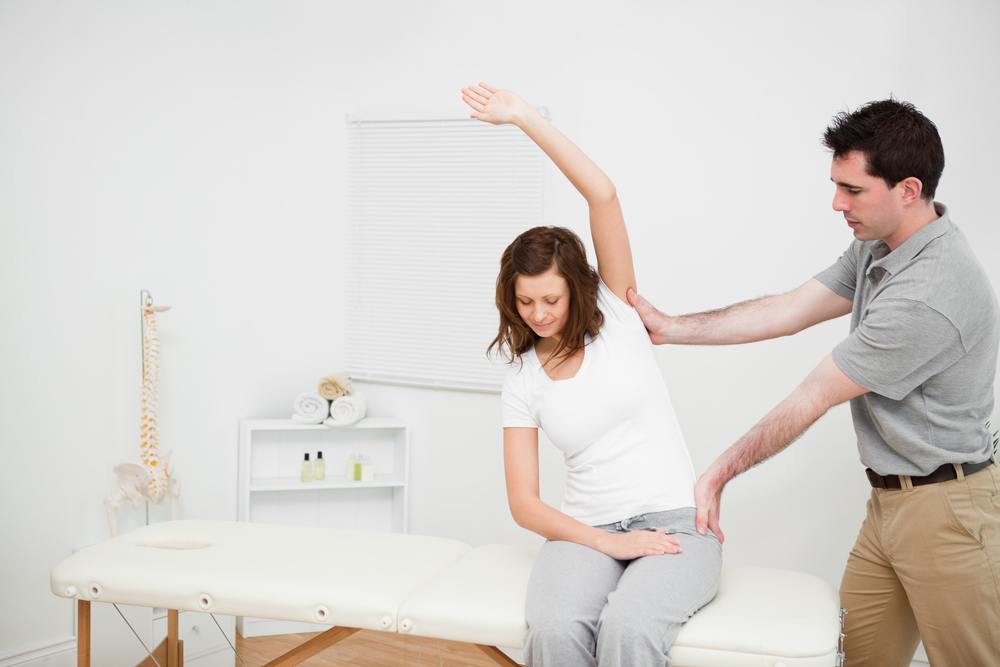
If you suspect that you have a rib out of place, it’s essential to seek medical attention as soon as possible. While mild cases may go away with rest and at-home remedies to relieve your discomfort, more severe or persistent symptoms may require medical intervention. Here are some steps you can take if you think you have a rib out of place:
Talk to Your Doctor: Schedule an appointment with your College Park doctor or a specialist, like an orthopedic doctor or chiropractor, for a thorough evaluation.
- Receive a Diagnosis: Your doctor will conduct a physical examination, review your symptoms, and may order imaging tests like X-rays or MRI scans to confirm the diagnosis and assess the extent of the misalignment.
- Follow Treatment Recommendations: Treatment for a rib out of place may vary depending on the severity and underlying cause. Treatment can include rest, ice or heat therapy, gentle stretching exercises, manual manipulation or adjustment, physical therapy, and, in some cases, medication for pain management.
- Prevent Recurrence: Take steps to prevent future episodes by maintaining good posture, practicing proper body mechanics during activities, incorporating core-strengthening exercises into your routine, and addressing any underlying issues contributing to the misalignment.
Why You Shouldn’t Ignore the Symptoms
When it comes to rib subluxations, early intervention is key. Left untreated, the issue can worsen and affect your daily life. It may lead to chronic pain, compensation injuries elsewhere in the spine or shoulders, and increased muscle tension. Even something as simple as breathing deeply or carrying groceries could become painful.
If your back pain isn’t going away, or if you’re experiencing the back rib out of place symptoms described above, it’s time to take action. Self-diagnosing can be tricky since rib misalignments mimic many other conditions. Seeing a professional can help you get clarity and fast-track your recovery.
Common Myths About Rib Pain
Because rib pain can feel intense and alarming, it often gets misattributed. Some common myths include:
- “It must be a heart issue if I feel chest pain.”
- I probably just pulled a muscle, and it will go away on its own.”
- “It’s all in my head. I didn’t even do anything to hurt myself.”
While it’s true that rib pain can mimic other conditions, ignoring the symptoms or mislabeling them can lead to unnecessary suffering. If your pain is persistent, localized, and worsens with breathing or movement, it’s worth exploring the possibility of a rib misalignment.
AICA College Park for Chiropractic Care
While a rib out of place can cause discomfort and inconvenience, prompt diagnosis and appropriate treatment can help alleviate symptoms and prevent complications. Visit AICA Orthopedics and see a College Park chiropractor near you for a comprehensive treatment plan for a rib out of place. Our chiropractors work alongside physical therapists, orthopedic doctors, spine specialists, and more to provide you with lasting rib pain relief.